
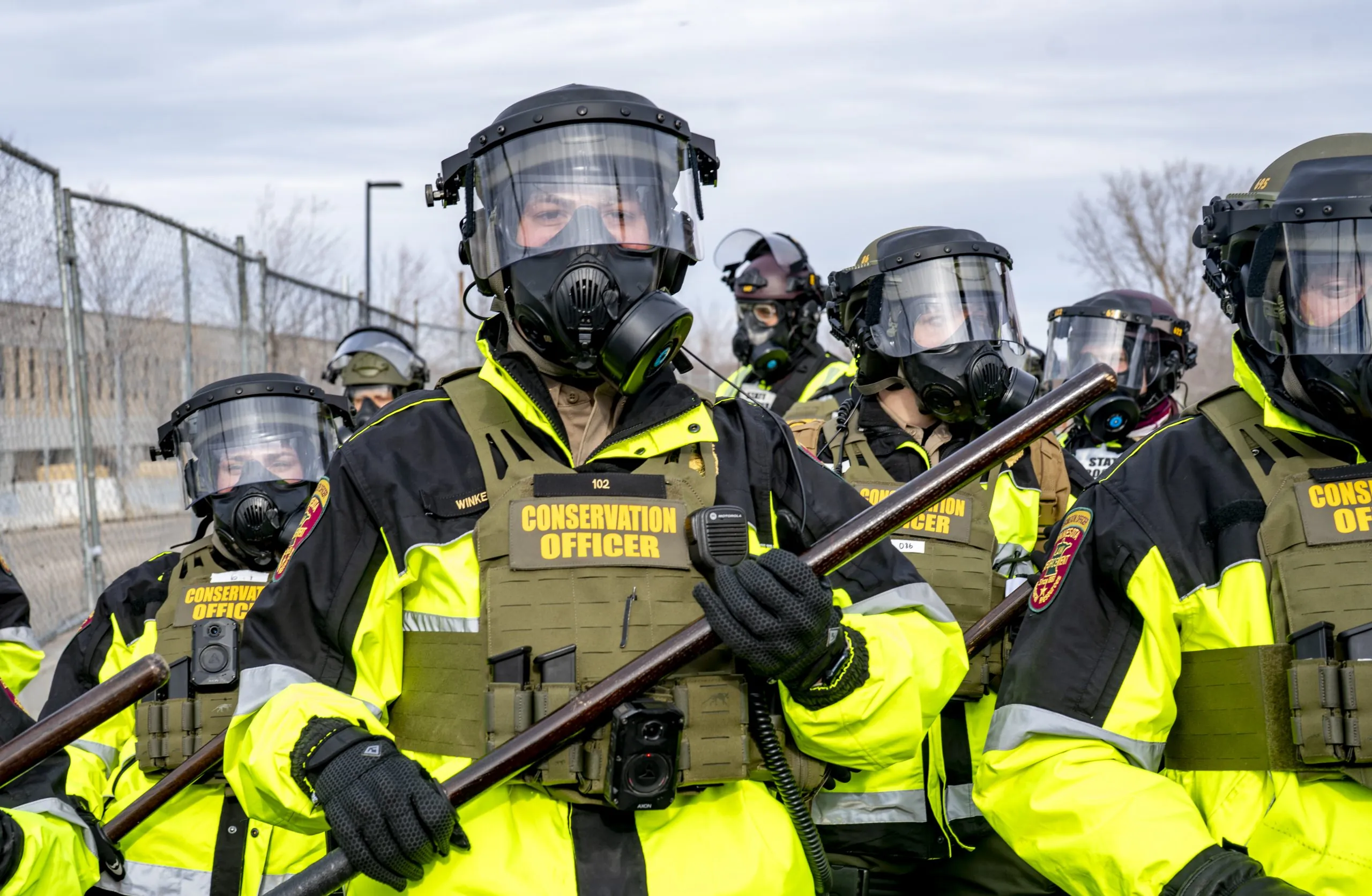
Unstaged pictures get more attention
In an era flooded with AI-generated images and polished corporate stock photos, authentic photojournalism cuts through the noise. It doesn’t just document events — it builds emotional connections that turn brands into movements and movements into profit.
As a brand strategist, photographer, and author who has generated over $156 million in earned media value, I’ve seen firsthand how photojournalism creates awareness without advertising. It’s not about pretty pictures. It’s about truth-telling that resonates, spreads organically, and delivers measurable business results.
Here’s how to use photojournalism strategically for branding and profit.
How to use photojournalism strategically for branding and profit.
Traditional marketing photography often feels staged and salesy. Photojournalism, by contrast, captures unscripted reality — the raw moments that reveal a brand’s soul. Audiences trust this authenticity far more than slick ads.
People buy from people and stories they believe.
Visuals are processed 60,000 times faster than text.
Earned media (shares, features, backlinks) compounds faster than paid reach.
Brands that adopt a photojournalistic approach see higher engagement, better media pickup, and stronger customer loyalty. Nonprofits, small businesses, and established companies alike can profit from this.
Core Strategies: Photojournalism as a Branding Engine
1. Document Your “Why” in Real Time. Don’t stage hero shots. Follow your team, customers, or community in their natural environment. Capture the grit, the wins, the behind-the-scenes truth.
Example: A Minnesota nonprofit fighting food insecurity. Instead of smiling volunteers handing out cans, shoot the early-morning warehouse chaos, the quiet gratitude of recipients, and the late-night strategy sessions. These images tell a story that donors and partners can’t ignore — and media outlets love to run.
Result for Profit: These images become assets for donor appeals, grant applications, annual reports, and social proof that drives more funding and partnerships.
2. Create Visual Narratives That Earn Coverage Photojournalism is inherently newsworthy. Pitch story packages (images + captions + context) to local and industry media.
Tie into timely issues (e.g., Minnesota’s nonprofit transparency challenges, urban revitalization, or cultural shifts).
Build a library of high-impact images that support multiple angles.
In my own work around Minneapolis, photojournalistic series have landed features that generated buzz worth far more than equivalent ad spend.