
Brand consulting
Brand Strategy Consultant
For leaders who need a sharper point of view, a more useful message and work people have a reason to carry forward.
Talk to ChrisStart with the hard question
What should people remember when the meeting is over?
Most brand problems do not begin with a bad logo, a thin media plan or a shortage of content. They begin when the business has more to say than the audience has reason to hear. The message gets polished before the point of view gets clear, and everyone ends up working harder to explain work that should have made sense sooner.
Chris helps teams find the central idea worth building around. That means separating what the business wants to say from what people will actually carry forward, then giving the team language and direction that can survive a pitch, a campaign, a customer conversation and the next round of internal debate. It keeps the strategy practical, visible and ready for the next decision.
Talk to Chris
Find the tension
Get beyond familiar category language and identify the business truth, customer frustration or cultural opening that gives the work a reason to exist.
Choose the point of view
Turn that tension into a position that is clear enough to guide choices, distinctive enough to be remembered and useful enough for the whole team to use.
Put it to work
Carry the decision into messages, campaigns, experiences and stories that create more than a brief moment of visibility.
A usable way forward
Strategy should make the next decision easier.
A good strategy does not make a brand sound smarter in a presentation. It gives people a way to decide. When the product team, sales team, leadership group and creative partners are all making choices from the same basic truth, the work becomes more consistent without becoming bland.
That is especially useful when a business is entering a new category, putting a new offer into the market, trying to recover from a vague message or asking a tired brand to mean something again. The work may begin with positioning, but it has to hold up in the moments where customers meet the business: what they see, what they hear and what they tell someone else afterward.
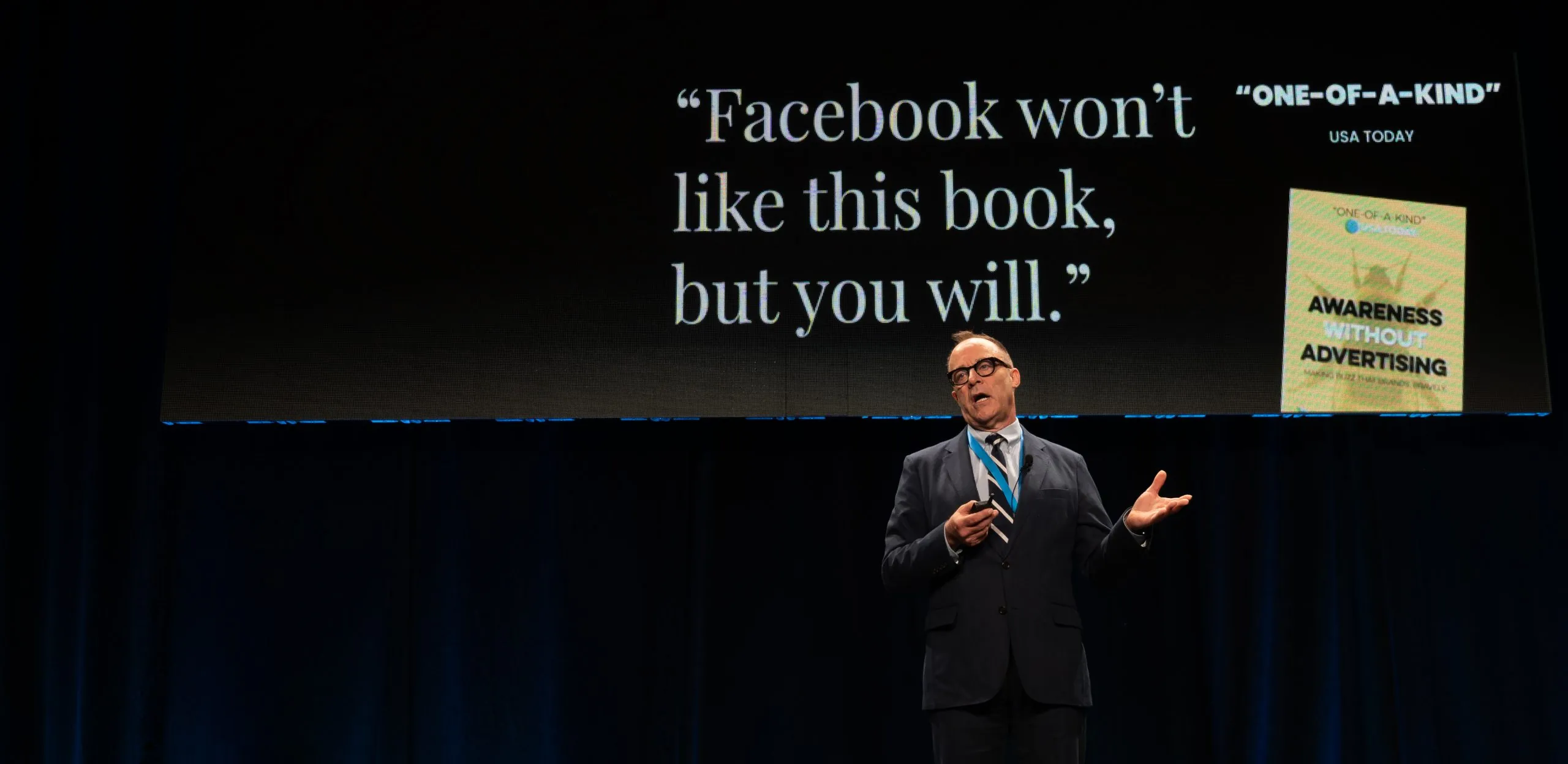
Chris brings the perspective of a creative director who has built campaigns, written the book on earning awareness without advertising and worked inside the pressure of making an idea travel. He is not there to turn every decision into a twelve-week ritual. He is there to find the decision that makes the rest of the work clearer.
Experience in the work
Make the message carry more weight.
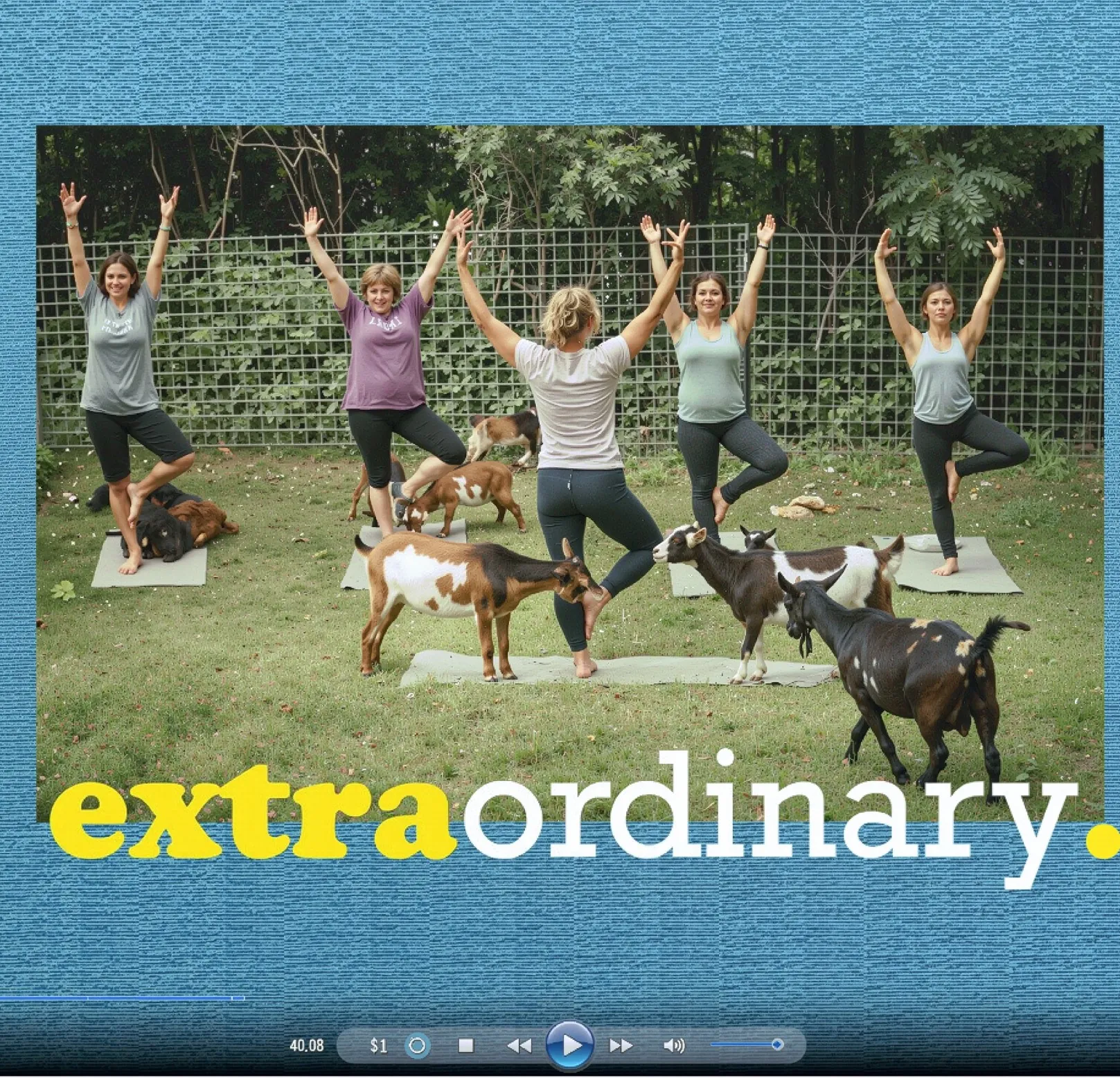
Chris has helped organizations including American Express, the Minnesota Lynx, United Way and the American Swedish Institute turn a complicated story into a clearer signal. The subject changes, but the job stays familiar: find what is true, find what matters to the audience and make the idea strong enough to move beyond the room where it started.
Sometimes the result is a sharper campaign. Sometimes it is a new way to talk about the business. Sometimes it is a workshop that gives a divided team a useful language for the work ahead. The point is not to make strategy feel precious. The point is to give creative work and customer experience a reason to land.
See Chris's workWhat the work gives you
Enough clarity to move, without pretending the business is finished.
Strategy is not a promise that every future choice becomes obvious. It is a way to stop re-litigating the same basic question every time a new campaign, product page or customer conversation appears. The team gets a defined point of view, a sharper sense of what belongs and a better test for the work that follows.
That can include the core story, the audience the brand needs to matter to, the tension it should address, the messages the team can repeat and the practical choices that give the idea dimension. The exact output follows the assignment. A business preparing a launch may need a platform and message system. A mature organization may need to recover the truth it lost beneath layers of polite language.
Chris keeps the work close to the people who must use it. The aim is not to hand over a grand theory and disappear. It is to create enough shared conviction that the next decision has a useful standard, the creative work has a stronger brief and the customer can feel the difference.
Built for the decision at hand
Bring a real problem, not a performance brief.
A brand strategy engagement can start with a founder who has outgrown the original story, a leadership team preparing to launch, a marketing group that needs a more compelling platform or a business that knows the current message is not doing enough work. Chris begins with the decision in front of the team, not a prepackaged process looking for a place to land.
The work can be a direct consulting relationship, a small working session or a wider workshop when the room needs to align. From there, Chris can help translate the strategy into the messages, campaigns, film or photography that make it real. The engagement stays proportional to the question, with enough rigor to create clarity and enough momentum to use it.
For teams that need hands-on alignment, a brand strategy workshop can bring the right people into the room. For leaders who want a focused conversation first, the best next move is simple: explain what feels unclear and Chris can help identify where the work should begin.
Frequently asked questions
What does a brand strategy consultant help with?
Chris helps leadership and marketing teams make the decisions that give the brand direction: what it should stand for, what makes it distinct, what the audience needs to hear and how the work should show up across the customer experience.
Is this branding, marketing or advertising?
It begins before any of them. Brand strategy gives design, content, campaigns and customer communication a shared point of view. Once that point of view is clear, the creative work has something real to build from instead of another vague brief.
When is the right time to bring Chris in?
Bring Chris in when the business has changed, a launch is coming, the team cannot agree on the story, the existing message has gone flat or strong work is not creating enough attention. The earlier the central decision gets clear, the less time is spent fixing inconsistent work later.
What does an engagement look like?
The shape follows the problem. Chris can work directly with the people making the decision, lead a focused workshop or help carry the strategy into messaging, a campaign, film or photography. The aim is not a binder that gathers dust. It is a clearer direction the team can actually use.
Give the work a clearer reason to matter.
Tell Chris what has changed, what is stuck or what needs to become more useful.
Start the conversation