A customer advocacy strategy is not a campaign designed to make people say nice things. It is a way of making the experience clear enough, useful enough, and memorable enough that someone wants to put their own name behind it.
That distinction matters. A referral, a detailed review, or an introduction to a colleague is more valuable than a passing thumbs-up because it spends social capital. The person making the recommendation is saying, in effect, “I think this will reflect well on me too.” Nielsen’s 2021 trust study found that 88% of global respondents trusted recommendations from people they know more than any other channel. That makes word of mouth worth earning, not simply requesting.
The work starts before a referral code, ambassador portal, or testimonial request. First, give people a story that makes sense in their own words. Then make the experience live up to it. Only after that should a business decide how to notice, thank, and learn from the people carrying the story forward.
Choose one outcome worth advocating for
“More advocacy” is too vague to manage. Start with the action that would make a material difference to the business. A consultant may need qualified introductions. A local business may need recent, detailed reviews. A B2B company may need customer stories that help a buyer understand a difficult decision. A cultural organization may want returning guests to bring someone new.
Pick one primary outcome and one supporting signal. For example, a service business can track referred enquiries as the primary outcome and detailed reviews as the supporting signal. That gives the team a clear purpose without pretending every share, mention, and follower is equally valuable.
The goal should also make sense for the customer. If someone refers a colleague, what are they helping that colleague do? If they write a review, what useful detail can they offer a person who is still deciding? Advocacy works when the customer sees a benefit in the act, not when the business treats them as a low-cost media channel.
Find the people already leaning in
Do not begin with a broad plea to “engage the community.” Look for proof that someone is already close to the work. That may be a repeat buyer, a customer who sends unusually specific feedback, a partner who opens doors, an employee who can explain the value without sounding scripted, or a person who brings friends along without being asked.
Pull together a short list from the last 90 days. Sales notes, support emails, event registrations, thank-you messages, reviews, renewal conversations, and social replies all contain clues. The useful question is not “Who has the biggest audience?” It is “Who understands the value well enough to explain it honestly?”
This makes the first version of the strategy small and human. Ten people with clear reasons to recommend the work will teach a business more than a thousand names in a generic loyalty list. Listen to the phrases they use. Those phrases often reveal a sharper value proposition than the one on the company’s own website.

Give them a story they can repeat
People rarely recommend a brand by reciting its positioning statement. They translate the value into a sentence that works in a real conversation: “They made this easier,” “They finally understand our problem,” or “You need to see what they did with this.” A customer advocacy strategy needs to find that repeatable point, then make sure the business can prove it.
The story does not need to be grand. In fact, a specific promise is usually easier to carry than an inflated one. The work for Lucid Brewing gave people a playful, distinct character to talk about instead of another interchangeable craft beer claim. The point was not to hand customers a line; it was to give them a piece of the brand with enough character to travel.
Test the story with people who know the business. Ask what they tell a friend, what they would miss if the company disappeared, and what made them choose it in the first place. Keep the language that sounds natural. If a sentence only works in a presentation, it is not ready to become advocacy.
Design the moment before the ask
A request for a recommendation works best after a moment of genuine value. The right time might be when a project lands well, a customer gets a useful answer, a guest returns for the second time, or a problem is resolved with unusual care. It is almost never the same day a contract is signed or a purchase is made.
Make the request specific and easy. Instead of “Please leave us a review,” ask, “Would you be willing to share what made this useful?” Instead of “Do you know anyone who needs us?” ask, “Is there one person facing this same problem who would find this helpful?” The difference is small, but it gives people a clear reason and a clear next step.
Do not ask everyone in the same way. A customer who is comfortable writing may be happy to leave a review. A long-term client may be better suited to a short case story. A partner may be able to make a warm introduction. Respect the type of advocacy each person can offer without turning the relationship into a transaction.
Give the team a simple way to respond
Advocacy falls apart when it lives in one person’s inbox. Give the people closest to customers a short, usable playbook: how to notice a promising moment, what to ask, where to record the response, and how to thank the person. The playbook should fit on one page, not become a training program that no one opens again.
That is especially important when the business has several touchpoints. Sales may see a referral first. Customer service may hear the story behind a review. An event team may notice a returning guest bringing someone new. Everyone should know what good evidence looks like and how to pass it along.
Then close the loop. When a customer provides a useful story, tell them what happened because of it. When a referral becomes a good conversation, say thank you. When feedback exposes friction, explain what changed. People are more likely to stay close to a business when they can see their contribution was heard rather than harvested.
Use advocacy to improve the experience
The strategy is incomplete if customer stories only become marketing material. The better use is to bring the evidence back into the work. A detailed review can show which part of the experience mattered most. A referral that goes nowhere can reveal where the explanation became muddy. A customer who returns with a friend may point to a moment worth protecting or repeating.
Give the team one regular question: what are people praising, and what does that praise tell us to keep doing? Then ask the harder companion question: what hesitation or frustration keeps appearing around the same part of the journey? Advocacy becomes more durable when a business treats both answers as direction, not as a scorecard to defend.
This is where customer feedback becomes a real advantage. The customer is not only helping the next buyer decide. They are showing the business which promise feels true in practice and where the experience still makes people work too hard to recommend it.
Build a program only where a program helps
Not every business needs a formal customer advocacy program on day one. A service firm with a handful of high-value clients may get more from a disciplined relationship rhythm than a points system. A local retailer may need a consistent post-purchase review request. A larger B2B company may benefit from a structured way to invite customers into reference calls, panels, case studies, or peer conversations.
Use structure to reduce friction, not to manufacture enthusiasm. A useful program makes it clear what customers can opt into, how their time will be used, and what they receive in return. It does not bury people in content prompts or force every relationship into the same reward scheme.
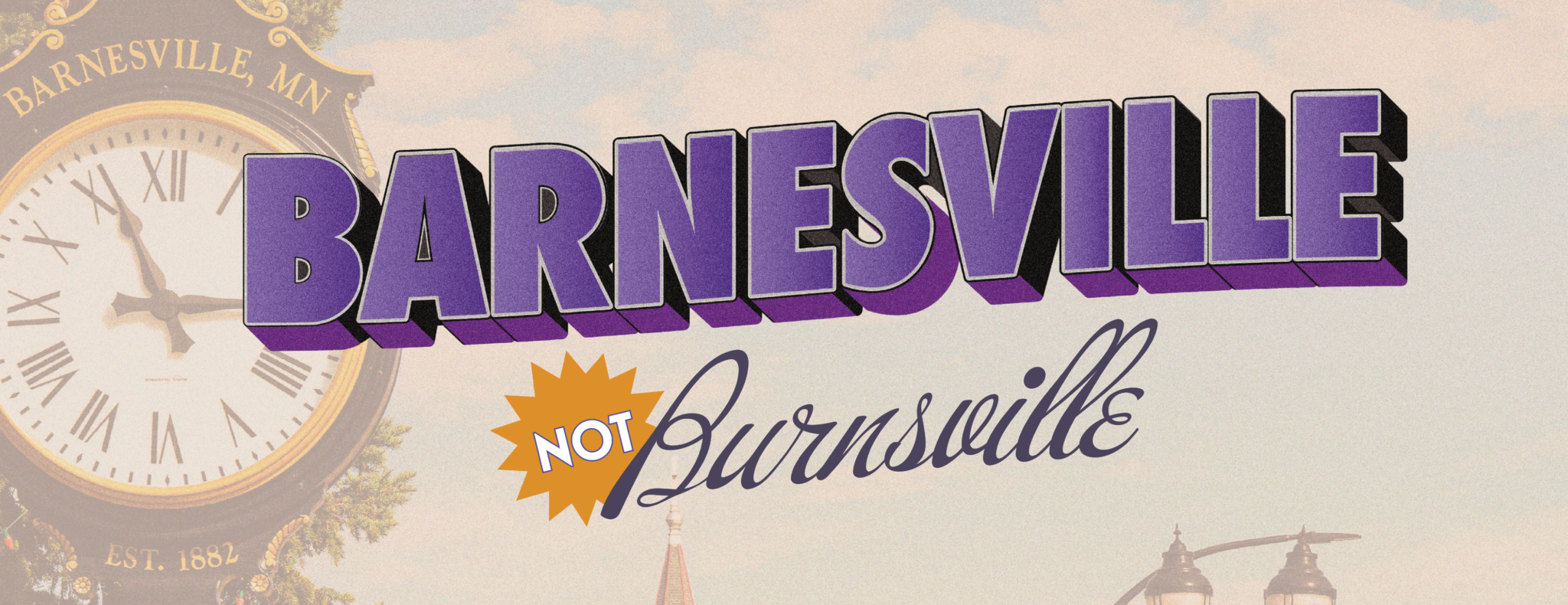
The Willow Creek work is a useful reminder that a good story can make local identity easy to carry forward. The campaign did not need customers to memorize a talking point. It turned an everyday mix-up into something people wanted to recognize and repeat. The strategy should create that kind of clarity before it worries about incentives.
Protect the trust that makes advocacy matter
The fastest way to weaken advocacy is to make it feel bought, rehearsed, or selective. Ask for honest feedback, not five-star feedback. Do not hide legitimate criticism. Do not pressure employees, family members, or customers to write testimonials that imply an independence they do not have.
The current rule is straightforward: businesses can offer an incentive for a review, but they cannot require a positive sentiment in exchange for it. The Federal Trade Commission’s guidancealso makes clear that undisclosed incentives can create a separate problem. The honest version is the durable version.
This is not only a legal concern. Customers can spot a staged recommendation. A credible review includes detail, limits, and an actual experience. That kind of feedback may not always be glowing, but it gives future customers more reason to believe it and gives the business a better chance to improve.

Start with a 30-day customer advocacy plan
In the first week, choose the one outcome that matters most and list the customer moments that precede it. In the second week, collect stories from recent customers, staff, and partners. Look for the language that repeats and the moment when people naturally lean in.
In week three, write one or two requests that fit those moments. Make each one easy to answer and use it with a small group first. In week four, review what happened. Did the request feel natural? Did it produce a useful story, referral, review, or conversation? Did the team learn something that should change the experience?
Keep only what improves the relationship. The aim is not a dashboard full of activity. It is a better understanding of why people recommend the work and a more reliable way to give them something worth recommending next time.
How Chris helps brands earn the story
The strongest customer advocacy strategy begins with the work itself: a sharper point of view, an experience that supports it, and a story people can make their own. Chris helps teams find that through brand consulting, hands-on brand strategy workshops, and the thinking in Awareness Without Advertising.
Once the story is clear, the next job is to see whether it is becoming real customer action. Use the brand advocacy measurement guideto build a simple scorecard around referrals, reviews, repeat behavior, and the language customers use when they explain the work.
A brand does not need to turn every customer into a spokesperson. It needs to make the right promise, keep it well enough that people notice, and give them a clean way to pass it on. Talk with Chris when the current story is not giving people enough reason to recommend it.
Frequently asked questions
What is a customer advocacy strategy?
A customer advocacy strategy is a deliberate way to create the conditions for customers to recommend a business. It begins with a clear promise and a worthwhile experience, then makes it easier to recognize, appreciate, and learn from the people who voluntarily share the story.
What should a customer advocacy program include?
Start with one useful outcome, such as more qualified referrals, credible reviews, or customer stories. Define the moments when it is appropriate to ask, give staff a simple way to record the response, and review what customers actually say so the business can improve the experience behind the recommendation.
Should businesses reward customer advocates?
They can, but the reward should not turn into pressure for praise. A thank-you, early access, useful information, or a small referral benefit can work when it is clear and fair. Businesses should never require a positive review in exchange for an incentive.
How long does it take to build customer advocacy?
The first signals can appear quickly when a business already delivers a strong experience, but durable advocacy takes repetition. Give the strategy at least a few months to reveal which stories, moments, and customer groups create the most meaningful recommendations.