
Brand consulting
Brand Positioning Consultant
For teams that need to choose the idea their customers, colleagues and creative partners can recognize immediately.
Talk to ChrisChoose the place to stand
Make the difference clear before the work gets loud.
A brand can have a solid product, good people and plenty to say, then still sound like everyone else in the category. That usually happens when the story begins with an internal list of strengths instead of the decision a customer is trying to make. The message grows longer, the campaign gets safer and every team meeting turns into another attempt to explain what should have been clear at the start.
Chris helps teams choose a position with enough truth to hold up and enough edge to be remembered. It is not a slogan hunt. It is the work of deciding what the brand has a right to stand for, where it can be useful to people and what the team should stop saying because it does not make the choice any easier.
Talk to Chris
Find the real tension
Look past category claims to the customer frustration, cultural opening or business truth that gives the brand a reason to matter.
Make a choice
Choose the territory the brand can own in people’s minds, rather than trying to be broadly agreeable to everyone at once.
Give it a life
Turn the position into language, creative direction and practical choices the team can carry into the work that follows.
Positioning is a decision
Stop describing the business. Start giving people a reason to choose it.
Most businesses do not lack adjectives. They lack a clear point of view. They say they are innovative, trusted, customer-focused or built on quality, then discover that every competitor is making the same claim with a slightly different font. Positioning is where that familiar language gets tested against a harder question: what could this brand say or do that would make someone see the category differently?
The answer has to be real. It has to connect to what the business can actually deliver and to what the audience needs at the moment they are deciding. It also has to survive contact with the team. A position that sounds smart on a slide but cannot guide a sales conversation, a campaign brief or a customer experience is not doing enough work.
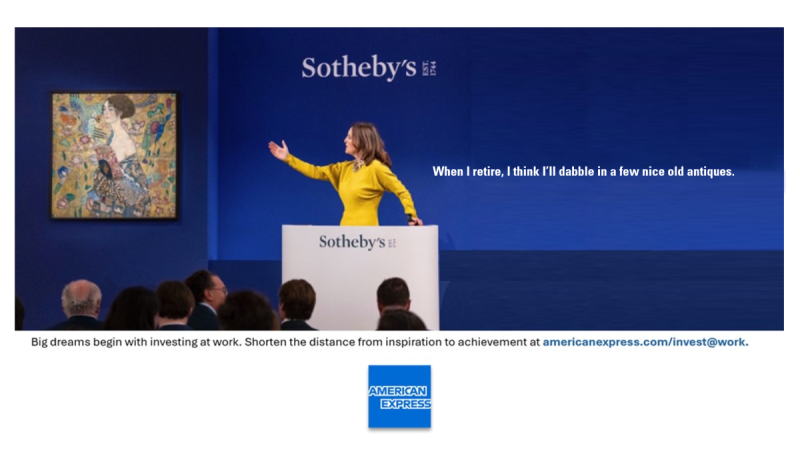
Chris brings a creative director’s perspective to that decision. He has spent his career making ideas travel, from the work he built with American Express and the Minnesota Lynx to the stories that helped smaller brands earn attention without trying to outspend bigger ones. The job is not to make the brand more complicated. It is to make the important thing easier to recognize and repeat.
A point of view has to move
Give the team something more useful than a positioning statement.
A good position changes the quality of the next decision. It helps a leader recognize what belongs in a launch. It helps a marketer see which message has a reason to exist. It helps a creative partner avoid the familiar category moves. It can also help a customer understand the value without having to work through a pile of qualification language first.
That is why Chris keeps the work connected to examples, messages and real moments where the brand shows up. The result may include a concise positioning platform, a defined audience tension, a message hierarchy or a creative direction. The output follows the work, but the aim stays the same: give the people responsible for the brand a shared standard that makes the next move clearer.
See Chris's workWhen the work is worth doing
Bring Chris in before the next round of activity turns into more noise.
Brand positioning work is especially useful when a company has outgrown the story it started with, a new offer needs a stronger way into the market or a leadership team cannot agree on what should lead. It can also be the right move when the business has strong proof but weak language, when customers are choosing for a reason the team has not yet understood or when years of added messages have blurred the original point.
For an established company, the work can help recover the most valuable part of its history without acting like the market has not changed. For a growing company, it can turn a founder’s instinct into language other people can use. For a team entering a crowded space, it can help identify the tension that makes a familiar offer feel newly relevant. In each case, the standard is the same: the position needs to be specific enough to create momentum and flexible enough to live beyond one campaign.
Chris does not arrive with a canned set of brand archetypes or a long process in search of a problem. He begins with the pressure the team is under, the people they need to matter to and the decisions that will follow. That keeps the work proportional, direct and connected to the way a real organization has to move.
From position to momentum
Make the next message feel like it came from the same brain.
Once the central position is clear, the rest of the work gets a better filter. The team can test whether a campaign sharpens the idea or merely fills space. Sales and marketing can recognize the language that should stay consistent. Product and customer-facing teams can see the expectation the brand needs to meet. The goal is not to make every expression identical. It is to give every expression a recognizable reason to exist.
That is also where Chris can help carry the decision forward. Depending on the assignment, the next step may be message development, a campaign idea, film, photography or a broader working session with the team. For organizations that need alignment before they act, a brand strategy workshop gives the position a chance to become shared working language. For a wider question about the brand, brand strategy consulting can connect the position to the full customer experience.
The work should leave the team with a clearer sense of what to say yes to, what to leave behind and what people should remember after the meeting is over. That is how a position becomes something more valuable than a document. It becomes a useful point of view with somewhere to go.
Frequently asked questions
What does a brand positioning consultant do?
Chris helps a leadership or marketing team make the central choice behind the work: what the brand should be known for, which customer tension it can honestly address and what makes that position matter now. The result is a point of view the team can use in messages, campaigns and customer decisions.
Is brand positioning only for a rebrand?
No. Positioning is useful when the business is changing, entering a new category, preparing a launch, finding that the current story has gone flat or trying to make good work easier to explain. A new logo may follow, but it is not the starting requirement.
What should we bring to the first conversation?
Bring the decision that has become hard to make: a launch that is not landing, a message that has become too broad, a leadership debate that keeps returning or a customer reaction you cannot quite explain. Chris starts with the live problem, then chooses a practical way to work through it.
How is this different from a brand strategy workshop?
A positioning engagement can be a focused consulting relationship with the people making the decision. When the answer needs wider alignment, Chris can also lead a brand strategy workshop that brings the right voices into the room and gives the team shared language for the work ahead.
Give the brand a clearer place to stand.
Tell Chris what has become difficult to explain, choose or carry forward.
Start the conversation