

Brand storytelling
Brand Storytelling Consultant
For teams with something real to say who need people to understand why it matters, remember it and pass it on.
Talk to ChrisStart with what people can carry forward
A brand story is not a slogan with a longer introduction.
Most businesses have facts. They have a history, a product, a capable team and a list of reasons customers should choose them. But facts alone do not give people a story. When the message is only a collection of claims, customers have to do the work of deciding what matters, and the team has no clear way to make the next campaign, sales conversation or experience add up.
Chris Birt helps teams turn a real business truth into a story people can understand and repeat. The work finds the tension worth addressing, the customer response worth earning and the proof that makes the idea believable. Then it gives the story a shape that can move: a campaign platform, launch narrative, message system, film, customer experience or a focused piece of creative work.
The goal is not to manufacture drama around an ordinary offer. It is to find what is already meaningful in the work and give it enough clarity, energy and form that people have a reason to pay attention. A useful story helps a customer see why this choice matters now. It also gives the people closest to the brand a more confident way to explain what they are building.
Find the human truth
Look past the feature list to the tension, change or ambition that gives the business a reason to matter to someone.
Choose the story
Make a clear decision about what the audience should notice, feel and be able to say in their own words.
Make it visible
Carry that story into messages, campaigns and experiences that make the idea easier to recognize and share.
The story has to earn its place
Give the audience a reason to care before asking them to remember.
Brand storytelling gets weak when it begins with the desire to sound inspiring. Customers are good at spotting a borrowed tone, a generic origin story or a campaign that wants credit for feeling human without saying anything human. A stronger approach begins with the real situation: what has changed, what is at stake for the customer and what this business can honestly help make better.
That is where Chris starts. He works with leadership and marketing teams to uncover the material that has weight, then makes the hard choices that keep the story from becoming a pile of agreeable themes. The best story is not the one that includes every attribute. It is the one that gives the audience a useful way to understand the business and gives the team a standard for what belongs in the work that follows.
This can be especially valuable when a company is introducing a new offer, entering a different market, trying to make a familiar category feel less interchangeable or finding that its current message is technically correct but impossible to recall. The assignment may need a central campaign idea, a sharper narrative for a launch, a more compelling case for sales conversations or a better way to connect the product to the customer’s world. The form changes. The job does not: make the truth clear enough to travel.
A story people could join
Make cultural discovery feel like play.
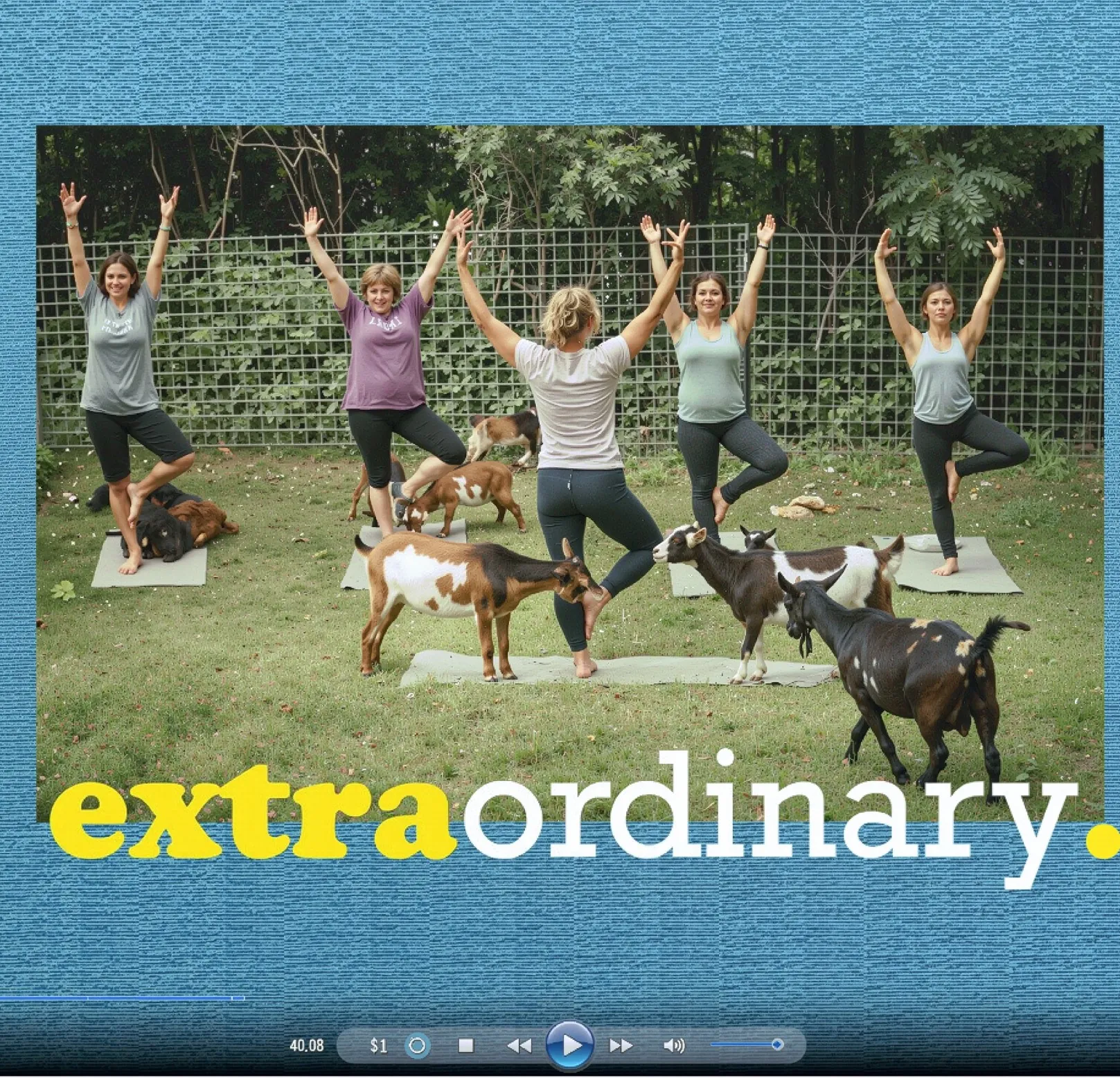
For the American Swedish Institute, the challenge was not a shortage of programs or heritage. It was giving people a reason to see cultural discovery as something lively, surprising and worth joining. Chris developed “Extra ordinary,” a point of view that found the unexpected in everyday Swedish culture and turned it into a story with a clear invitation.
That idea moved through short films, social work and the broader campaign. It gave the organization a recognizable way to speak and gave the audience something they could share without being asked to memorize an institutional message. The social following grew by 2,000 percent in the year after launch, including a move from 1,600 to 26,000 Facebook followers.
The result was not just more content. It was a story with enough character to change the response. That is the practical test for this kind of work: can the idea help a team make better choices and give an audience a reason to pass it along?
See the American Swedish Institute workFrom idea to customer experience
Make the story useful after the presentation is over.
A story only earns its keep when it changes what people do with it. Chris helps make sure the direction does not disappear once it leaves the meeting room. That can mean shaping a message hierarchy, testing a creative concept, strengthening the proof in a launch, finding the right role for film or photography, or helping an internal team and agency make choices from the same central idea.
For Lunds & Byerlys, the job was to make groceries feel connected to culture. “Food fashion” gave seasonal work an unexpected frame and made a familiar category feel more expressive. The story came to life through an 80-foot runway show over supermarket cash registers, followed by international press coverage. The execution was unusual, but it started with a simple decision: make food part of the customer’s cultural life, not merely another errand.
That distinction matters because a story can be quiet and still be effective. A service business may need a sales team to describe its value without defaulting to jargon. A nonprofit may need supporters to see the person behind an abstract issue. A new offer may need to feel like a useful answer rather than another feature. Chris looks for the clearest expression that fits the audience and the moment, then helps the team use it consistently without sanding away its character.
Chris brings both strategy and creative-direction experience to that handoff. He knows an idea has to survive the practical pressure of production, internal review and customer attention. So the work stays close to the real decision in front of the team. It avoids turning storytelling into a ceremonial document and gives the brand a clearer way to show up where people can actually encounter it.
Choose the right starting point
Bring the story that has become hard to tell.
Sometimes the problem is that the business has changed faster than its public story. Sometimes the team has a strong strategy but the campaign has not found its energy. Sometimes a new product has plenty of features but no obvious reason for people to care. Chris can help identify the point where the story broke down, then build a focused engagement around the work that will make the difference.
For a broader question about what the business should stand for, brand strategy consulting establishes the central direction. When the message needs stronger language, brand messaging consulting turns that direction into words people can use. When the challenge is carrying a clear idea into customer-facing work, brand marketing consulting connects the story to campaigns and experiences.
The most useful next step is not a perfect brief. It is a frank conversation about what customers are missing, what the team knows is true and what needs to become more memorable. Chris can help turn that material into a story with a job to do.
Start the conversation
Frequently asked questions
What does a brand storytelling consultant do?
Chris helps a team find the story that makes its value understandable and memorable, then gives that story a form people can use in a campaign, launch, presentation, customer experience, film or conversation.
Is brand storytelling the same as writing copy?
Writing is part of it, but the work begins earlier. A useful story needs a real point of view, a customer tension and credible proof. Once those are clear, the words, images and experiences have something meaningful to carry.
Can this help when our team already has a strategy?
Yes. A strategy can be sound and still fail to travel. Chris helps teams turn a strategic direction into a story that is easier to recognize, explain and bring to life in the work customers actually encounter.
Does every brand need a big campaign?
No. The right story may show up in a launch, sales conversation, website, short film, customer experience or a focused campaign. The scale follows the assignment. What matters is giving people a reason to care and something honest to repeat.
Give the work a story people have a reason to carry forward.
Tell Chris what needs to become clearer, more memorable or more useful to the people you need to reach.
Talk to Chris