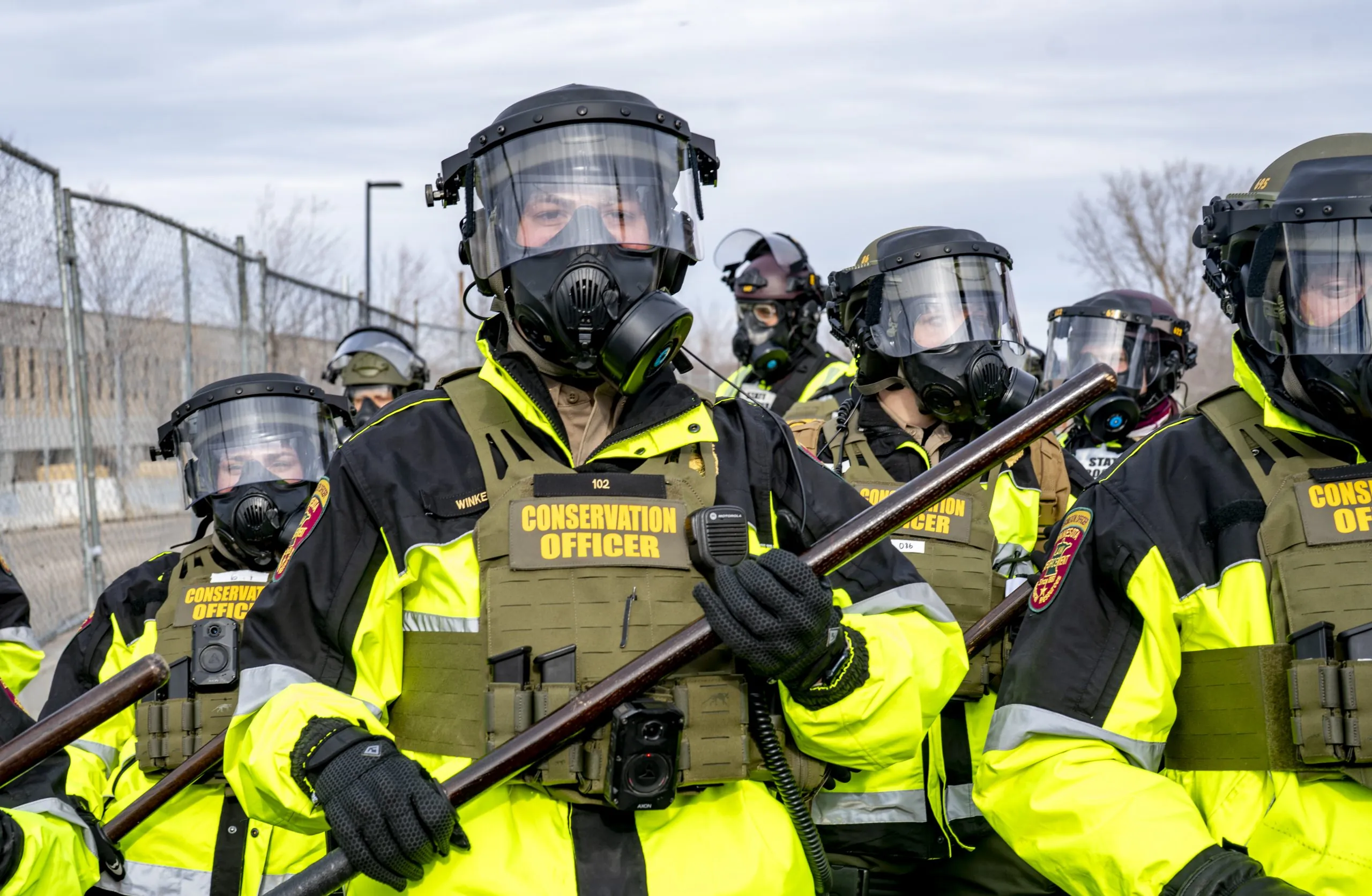
Covering a winter protest in Minnesota is not "war photography." Pepper bullets hurt; real ones kill. With AI eating away at gestation time in our business, taking pictures under pressure can still teach you things.
Before AI, for example, making great ads involved reflection. Today pictures, ads and short films often feel like nothing more than a reaction to AI. They are created to show what can be done instead of communicating ideas. Between the reflective and the reactive lies the reflexive.
Photojournalism relies on well-trained reflexes to capture work that is relevant. Robbed of time, you save your thoughts for simple things -- does this capture a zeitgeist? can I get a rule of thirds? You work in a flow state, trusting you will aim at something just right.
After working on general purpose consumer brands in 2025, 2026 came as a shock, but I knew I had to document a troubled City once again. My reflexes sharpened quickly, heightened by the sensation that for now, at least, I was out-gunning AI.
But enough about me.
This post is not about what a photojournalist does, but instead what a storyteller sees when the world turns dark and very, very cold. At least this storyteller. I hope we connect sometime under better conditions if you like, or at least notice, what you see.
I document big issues for blue-chip brands. My coverage of Minneapolis in 2020 and 2026 has been viewed, shared and commented on extensively. See more work at ccbirt.com .