
Customer advocacy is what happens when a person has enough trust in a business to put their own name behind it. They tell a friend where to go. They write a useful review. They make an introduction. They bring someone along. They explain, in their own words, why the experience was worth having.
That is more meaningful than a customer who is merely satisfied. A satisfied customer may come back. An advocate risks a little social capital by recommending the business to someone else. That is why customer advocacy is not a clever referral link or a demand for more social posts. It is evidence that the business gave someone a real story worth carrying forward.
The term gets used loosely, so it helps to make it practical. Customer advocacy has two sides: the way a business treats its customers, and the voluntary actions customers take when they believe that treatment deserves to be shared. The first side is the work. The second is the result.
A practical definition of customer advocacy
Customer advocacy is a business approach that earns voluntary customer support by making decisions that are genuinely good for the customer, then giving people respectful ways to share the value they received. The support may show up as a referral, a review, a recommendation, a customer story, a reference conversation, or a person bringing a peer into the experience.
The distinction matters. A business cannot simply announce that it has advocates because it has followers, email subscribers, or a high satisfaction score. Those can be useful signals, but they do not prove that anyone would choose to vouch for the work. Advocacy asks a harder question: when another person is making a decision, would this customer feel good about saying, “Talk to them”?
That is why the best definition starts with customer interest rather than promotion. A business that is easy to buy from but hard to deal with later does not have an advocacy problem. It has an experience problem. A business that makes a customer look smart, feel understood, or solve a real problem has something much more durable to build on.

Customer advocacy is not the same as loyalty
Loyalty and advocacy often travel together, but they are not the same thing. Loyalty is repeat behavior. A loyal customer renews, returns, buys again, or keeps choosing the brand over time. That matters. But a customer can be loyal because switching is inconvenient, the price is acceptable, or the habit is familiar. None of those reasons requires a recommendation.
Advocacy is outward-facing. It happens when someone helps another person make a choice. A customer who comes back every year is loyal. A customer who introduces a colleague because the work solved a problem is acting as an advocate. A customer who leaves a detailed review explaining what changed is doing the same thing in public.
The practical lesson is not to dismiss loyalty. It is to look for the moments where loyalty becomes belief. The existing guide to measuring brand advocacy explains how to track that change through qualified referrals, detailed reviews, repeat behavior, and the language people use. A useful scorecard watches both return behavior and the actions that show someone is willing to stand behind the business.
It is also not just customer marketing
Customer marketing can support advocacy, but it cannot manufacture it. Case studies, referral programs, community events, customer councils, and social posts are all useful ways to make a customer’s perspective visible. They work when the customer has a reason to participate that feels honest and worthwhile.
The order is important. First, give people an experience or point of view they would be glad to carry into another room. Then make the invitation relevant and easy. When a business reverses that order, it starts treating customers as a distribution channel. People can feel the difference.
A brand campaign can make that difference clearer. For the American Swedish Institute, Chris built an invitation to discover the extraordinary inside the ordinary. The point was not to ask an audience to amplify a message. It was to create a playful experience people could join and talk about. Good customer advocacy works on the same principle: give people something meaningful to participate in, not a script to repeat.

What customer advocacy looks like in real life
Advocacy rarely arrives as one dramatic gesture. More often, it appears in a series of useful choices. A customer tells a friend which accountant finally explained the numbers clearly. A client agrees to share a specific result in a case story. A regular visitor brings a new person to an event. A buyer writes a review that helps the next buyer understand what to expect.
The action is not the only thing that matters. Its quality matters too. A hundred vague compliments can be less useful than one introduction to a good-fit prospect. A five-star rating is nice; a review that names the real problem, the experience, and the outcome is far more helpful to the next person. That is why the guide on driving customer advocacy emphasizes timing, specificity, and a low-pressure ask.
The work for Lunds & Byerlys offers another useful lens. Chris helped turn food into a seasonal cultural story rather than a routine errand. The lesson is not that every business needs a runway show. It is that people are more likely to carry forward an experience that gives them a distinctive role, feeling, or story. Being useful is the baseline. Being worth talking about is what creates lift.
Where advocacy begins
Advocacy begins before a business asks for anything. It starts in the places where customers decide whether the promise is believable: the first conversation, the handoff, the unexpected delay, the detail someone noticed, the way a problem is resolved, and the clarity of the final result. Those are the moments a customer remembers when a friend asks for a recommendation.
For a small business, that may mean making the first appointment less confusing or following up when the work is complete. For a B2B firm, it may mean helping the customer explain the value internally. For a cultural organization, it may mean making a first-time visitor feel like they belong. The pattern is the same: advocacy grows when the business reduces friction and gives people evidence that it respects them.
The same thinking changes how a team handles mistakes. A missed detail, a slow response, or an unclear expectation does not automatically end the relationship. What customers remember is whether the business notices, owns the problem, and makes the next step easier. A well-handled recovery can become a better advocacy moment than a smooth transaction because it gives a person concrete evidence that the promise holds when it is tested.
That is why strong advocacy work sits where brand strategy and customer experience meet. A sharper message helps a person understand what they are choosing. A better experience gives that message proof. A clear point of view gives people language for explaining the value to someone else. Chris approaches those connected decisions through brand consulting and practical brand strategy workshops.
A quick test: would they repeat it?
A simple way to test whether an experience is capable of creating advocacy is to ask what someone would say about it without the brand in the room. Not the slogan. Not the approved elevator pitch. The sentence a customer would actually use to explain the choice to a friend, colleague, neighbor, or family member.
If that sentence is fuzzy, the problem is usually not the customer’s willingness to share. The business may be too generic, too difficult to explain, or too similar to every other option in the category. A referral cannot fix that. A referral only carries the clarity that is already there.
Start with three questions. What specific problem did the customer need solved? What did the business do that felt more useful, more human, or more distinctive than expected? What would make the customer comfortable putting their own reputation behind the recommendation? The answers often point straight to the message the business should protect.
This is especially useful for teams that believe their work is good but struggle to explain why it stands apart. The difference may sit in a small operational detail, a clearer point of view, or the way a person feels once the work is done. It does not have to be theatrical. It does have to be specific enough for someone else to repeat without needing a presentation deck.
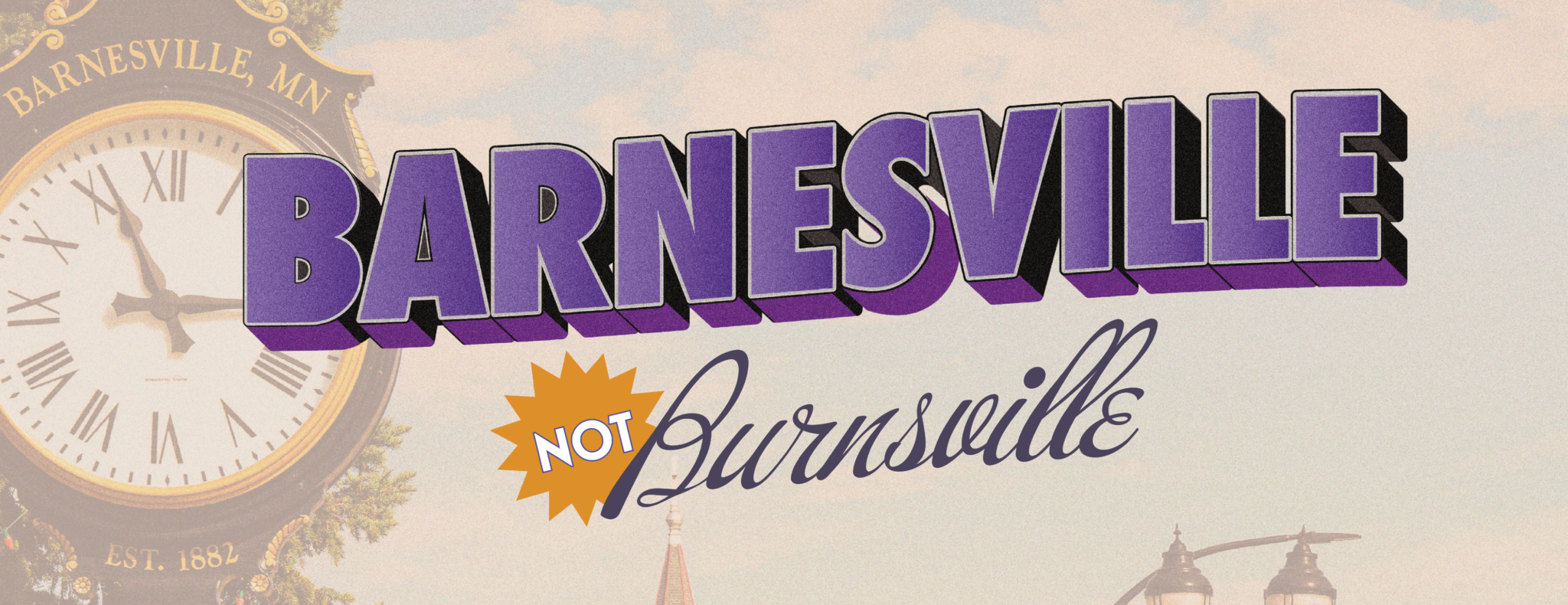
Chris’s work for Willow Creek turned a very local truth, being confused with a larger Minnesota suburb, into a story residents could recognize and share. The campaign gave people a simple, memorable way to explain what made the business different. That is the practical standard: a story people can carry because it is true, recognizable, and useful in conversation.

Ask without making the relationship transactional
A respectful invitation can help a customer act on a good experience. Ask for a review after a clear outcome, not in the middle of an unresolved issue. Ask for an introduction only when there is a specific person or problem the business can genuinely help. Ask a willing customer to share a story when the story might be useful to them as well as to the company.
The boundary is important. The Federal Trade Commission’s consumer-review guidance makes clear that a business cannot make an incentive contingent on a positive review. The customer should be free to give an honest perspective, including one that is critical. That is not a legal technicality. It is the difference between earning trust and trying to rent it.
The same principle applies when people receive a free product, payment, or another material benefit for an endorsement. The FTC says those relationships need clear disclosure. Paid promotion can have a place in a marketing plan, but it should never be confused with an unsolicited recommendation. The more honest the distinction, the more useful each signal becomes.
What to measure while the relationship is fresh
Customer advocacy is easier to improve when a team watches the right signals close to the moment they happen. A quarterly report can show that referrals or reviews are increasing, but it may hide the detail that explains why. A quick, regular review of customer language and behavior gives a team a better chance to protect what is working or correct a problem before it hardens into a pattern.
Start with actions that have some weight behind them: a qualified referral, a detailed review, a repeat customer who brings another person, a request to feature a customer story, or an invitation to speak to a peer. Then ask what caused the action. Was it a particular result? A moment of recovery? A person on the team? A point of view that helped the customer make sense of a difficult choice?
Avoid treating every signal as equal. A referral that leads nowhere may still show goodwill, but it does not tell the business the same thing as an introduction to a qualified buyer. A five-star review matters, but a review that explains the before-and-after experience is more useful because it gives future customers a real reason to believe. Quality brings context, and context makes the next decision better.
Teams should also notice the silence. If customers return but never recommend, the experience may be competent without being distinctive. If people praise the work privately but hesitate to make an introduction, they may need clearer language, more evidence, or more confidence that the referral will reflect well on them. Those are different problems, and each needs a different response.
The point is not to turn every conversation into a score. It is to make advocacy visible enough that it can guide the business. The customer advocacy strategy guide shows how to turn those observations into a clear goal, a better experience, and a simple way to keep learning without reducing people to a dashboard.
Use advocacy to learn, not just to promote
The most useful advocates do more than say nice things. They reveal what people actually value. Listen to the words in a detailed review, the reason a referral was made, the question that comes up in a customer conversation, or the story a person chooses to tell without prompting. That language can expose the part of the experience that matters most.
Bring those signals back into the business. Share them with the people designing the offer, serving customers, writing sales materials, and planning the next campaign. A thoughtful customer story is not just proof for a slide deck. It can clarify what the brand needs to protect as it grows.
This is the difference between a program that collects testimonials and an approach that builds advocacy. A program records activity. An advocacy mindset pays attention to the belief behind it, then makes better decisions because of what customers have shown the business. The guide to a customer advocacy program is a useful next step for teams ready to turn that learning into a regular, respectful rhythm.
How Chris helps brands become worth recommending
Customer advocacy is rarely solved with a louder ask. It is solved by finding the truth that deserves attention, shaping it into a story people can remember, and making sure the experience earns that story. That can mean clarifying a brand position, building a campaign with a real point of view, or bringing a team together around the customer tension that matters most.
Chris brings that work into consulting, workshops and speaking, and the campaign stories in his portfolio. The goal is not to make every customer a promoter. It is to make the work clear, useful, and distinctive enough that the right people are glad to mention it when it counts.
Frequently asked questions
What is customer advocacy in simple terms?
Customer advocacy is when a business puts the customer’s interests first, and customers respond by voluntarily recommending, reviewing, referring, or otherwise supporting the business. It is earned belief made visible through action.
What is the difference between customer advocacy and customer loyalty?
Customer loyalty means a person stays, returns, or keeps buying. Customer advocacy goes further because the person also puts their own reputation behind a recommendation, a useful review, an introduction, or a story about the experience.
Can customer advocacy be bought?
No. A business can thank people, invite them into useful opportunities, or offer a fair referral benefit, but it cannot buy genuine belief. Paid endorsements and incentivized reviews need clear disclosure, and an incentive must never depend on positive sentiment.
What are examples of customer advocacy?
Examples include introducing a qualified peer, leaving a detailed review, sharing a customer story, speaking at an event, helping another customer in a community, or returning with someone new. The key is that the action is voluntary and specific.