
Brand consulting
Brand Development Consultant
For businesses that have changed, grown or outpaced the story that once made them easy to understand.
Talk to ChrisThe business moved. Did the brand?
Give the next version of the company a story people can recognize.
A business can become more capable, more useful and more ambitious while the outside world keeps seeing the old version. The offer has evolved. The team has learned what customers value. The work is better. Yet the language, look and marketing still lean on an idea that made sense years ago, before the company earned the right to say something more interesting.
That gap costs attention. It makes a strong business sound interchangeable, gives a growing team too many versions of the same story, and leaves customers to figure out the difference on their own. Brand development is how the company catches up with itself. It turns the real progress inside the business into a clearer public point of view.
Chris Birt works with leaders and marketing teams to develop that point of view into something people can use. The work may sharpen the brand promise, define the message behind a new offer, make a customer experience more coherent or give a campaign enough character to do more than fill a calendar. The aim is not a cosmetic refresh. It is a stronger way to make the business recognizable where the decision happens.
See what changed
Find the progress, tension or customer truth the old story no longer carries.
Make the choice
Give the business a point of view that is honest, useful and easier to remember.
Put it in motion
Carry that direction into the message, experience and work people actually encounter.
More than a new coat of paint
Develop the brand around the work the business is ready to do now.
Brand development starts with a practical question: what has become true about this business that the market has not fully understood yet? Sometimes the answer is a better product, a more focused audience or a new level of expertise. Sometimes it is a hard-won change in how the company works. Sometimes it is the realization that a formerly useful message has become the same safe language everyone else uses.
The answer should shape more than a positioning statement. It should make the next set of decisions easier. It should tell a leadership team what to protect, give a marketer a better standard for choosing messages, and give creative partners a reason to make work that belongs to this business instead of the category at large. Without that direction, companies often mistake activity for progress. They commission a new site, campaign or identity, then find themselves back in the same vague conversation six months later.
Chris brings brand strategy and creative direction together because development has to survive the handoff. A smart observation that never reaches the campaign does not change much. A beautiful campaign without a useful idea disappears when the next priority arrives. The brand needs a central truth that can hold up in a sales conversation, a launch, a film, a customer interaction and the ordinary work of a team trying to move quickly.
A clearer value can change the response
Build from the reason people should care, not the category script.
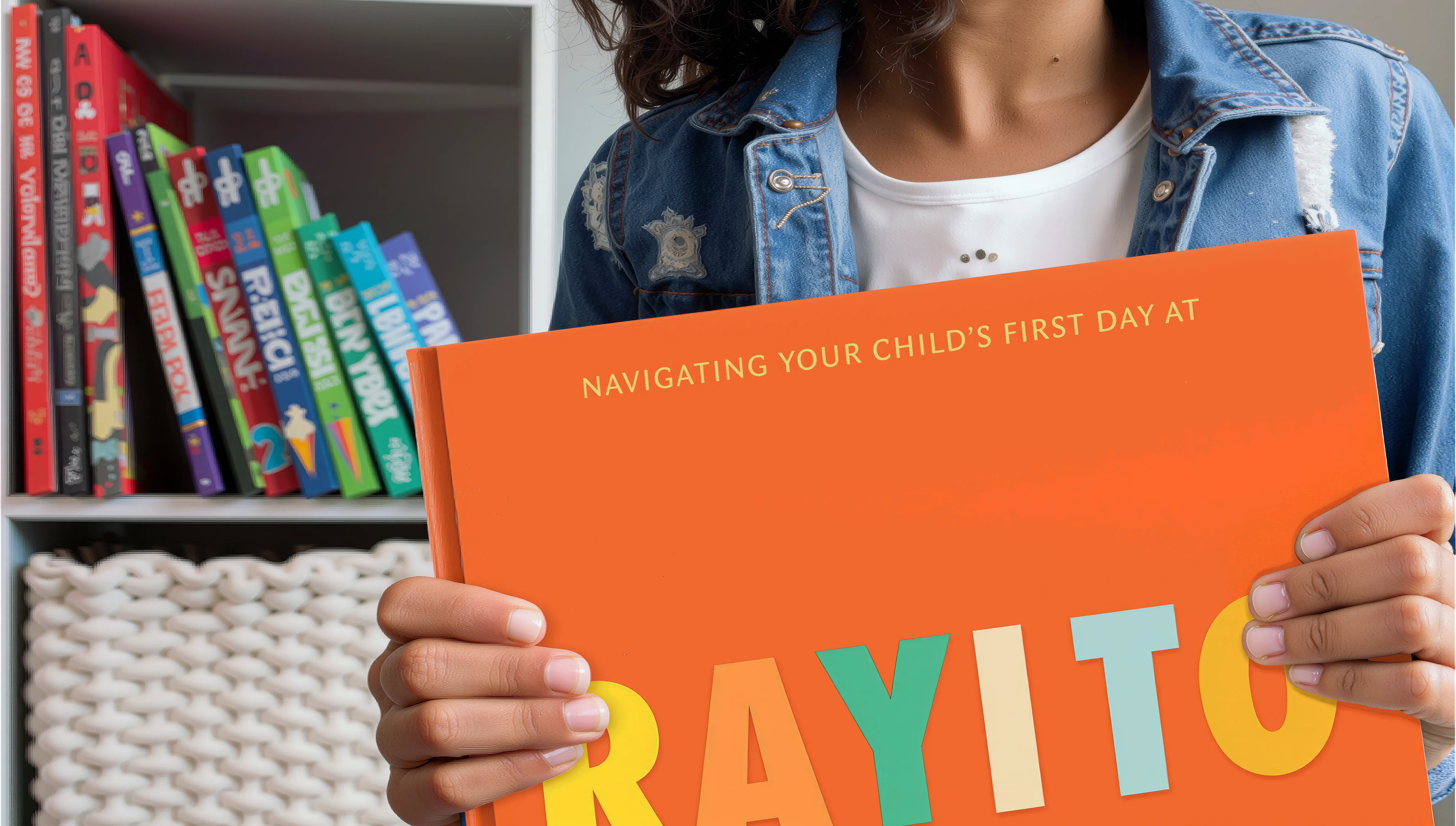
Rayito de Sol came to Chris after a substantial enrollment decline during COVID. The schools could have leaned harder on the familiar language of early Spanish education. Instead, Chris helped reposition the work around a bigger truth: Spanish is not a language elective, it is a life skill that gives children more options later. That idea changed the brand identity and the online tools built around it.
The result was not a more polished version of the same pitch. It gave parents a reason to see the decision differently. The schools reversed a two-year decline and increased enrollment at each school by 123 percent the following year. The lesson is simple: brand development works when it makes the value more relevant and the next action easier to understand.
See the Rayito de Sol workStart with the pressure in front of you
Turn a growing list of moving parts into a more useful whole.
The right assignment is rarely called "brand development" inside the company. It may show up as a product launch that lacks a compelling story, a reputation that no longer matches the current work, or a marketing team that has plenty of material but no clear way to decide what deserves emphasis. It may be a founder who knows the business has changed, but cannot yet explain the new version without retreating into a long list of services.
Chris begins with that live pressure. He can help a leadership group decide what the business should stand for now, develop a market story around a new offer, find the customer tension that makes the work matter, and establish the messages and creative principles that keep the brand connected. The work stays close to the moment where clarity has value. It is not a ritual built to produce a thick binder no one opens.
Depending on the need, the output may include a more decisive brand platform, a narrative for a launch, message priorities, a campaign direction, a creative brief or an outside view of the work already underway. Chris can lead a focused engagement, work beside an internal team or give an agency the sharper center it needs to build from. The form changes. The job stays the same: make the company easier to understand and harder to confuse with a cheaper, louder alternative.
Make the story travel
Give the business a brand people can carry beyond the meeting.
For the American Swedish Institute, Chris helped make cultural discovery feel like play. That direction gave the organization a way to connect film, social work and the larger campaign without flattening its personality into a museum brochure. The brand became more inviting because the central idea could show up in every part of the work.
The organization grew its social following by 2,000 percent in the year after launch. Different organizations will measure success differently, but the principle holds: people respond when a brand gives them a clear, worthwhile story to recognize and repeat. Brand development gives a company that story before another round of disconnected materials makes the gap harder to fix.
See the American Swedish Institute work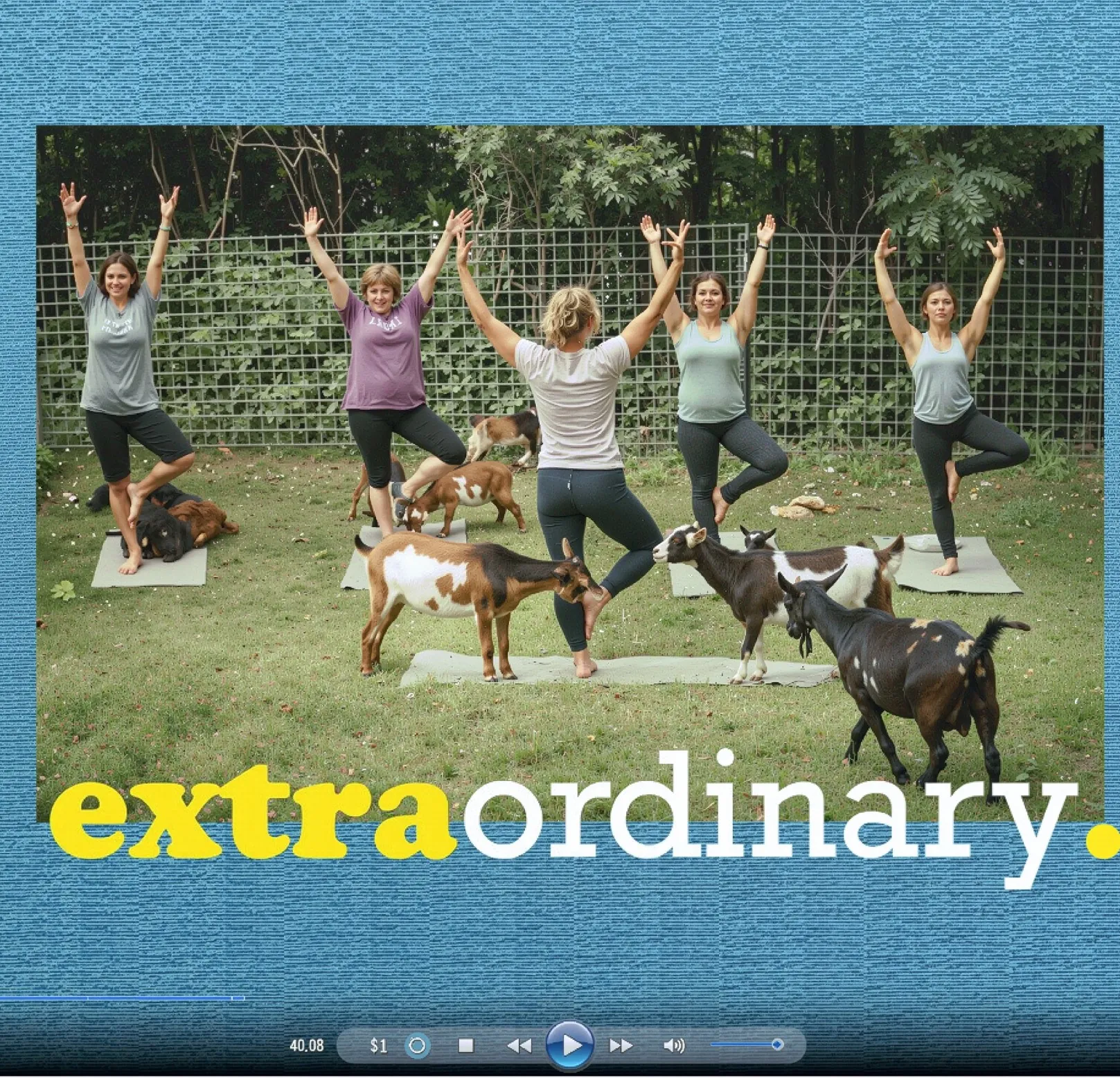
Choose the help that fits
Bring in the right kind of brand support before the work fragments.
Brand development can include several related decisions, but they do not always need the same engagement. When the main question is what the business should stand for, brand strategy consulting helps define the foundation. When the challenge is choosing a distinct place in a crowded market, brand positioning consulting focuses the choice. When the direction is clear but the language is not, brand messaging consulting gives people words they can use.
When the issue is carrying a sound idea into the campaign and customer experience, brand marketing consulting connects direction to the work people see. For a high-stakes brief that needs an experienced outside perspective, creative consulting gives the assignment focused attention. And when a business needs senior creative judgment over a longer stretch, a fractional creative director can keep the brand, team and production work moving in one direction.
The useful first step is to name what has changed, what feels scattered and what the work must accomplish next. Chris can help identify where the real decision sits, then shape the engagement around the work that matters.
Frequently asked questions
What does a brand development consultant do?
Chris helps a business develop the story, position, messages and creative direction that make its next stage easier to recognize. The work connects what has changed in the business to the way customers, partners and employees experience it.
Is brand development the same as a rebrand?
Not always. A new identity can be part of the work, but it is not the automatic answer. Brand development may mean clarifying an offer, giving a growing business a stronger point of view, creating a campaign platform or making the customer experience feel more connected.
When should we bring Chris in?
Bring Chris in when the company has grown beyond its original story, a new offer needs a stronger introduction, the marketing no longer reflects the quality of the work, or the team needs a clearer idea before it invests in design, media or production.
Can Chris work with our internal team or agency?
Yes. Chris can work directly with leadership, internal marketers, designers, an agency or production partners. The goal is to give everyone a sharper shared direction so the work gets stronger as it moves from one team to the next.
Develop a brand that feels as capable as the business has become.
Tell Chris what has changed, what customers are missing and what the next chapter needs to make possible.
Start the conversation