
Customer advocacy marketing is not a louder version of asking for referrals. It is the discipline of giving people a real experience, a useful story, and a good reason to put their own name behind it. When that happens, a recommendation feels less like promotion and more like one person helping another make a better choice.
A business can buy attention, offer a discount, or send a follow-up email, but none of those things creates belief on its own. Advocacy begins when someone has seen enough value to say, in their own words, "You should know about this." The job of marketing is to make that value easier to recognize and carry into the next conversation.
The five moves below help turn a good customer experience into marketing people can trust. They work for a local business, a professional firm, a retailer, a nonprofit, or a larger brand because they focus on the part no template can fake: what people genuinely found worth talking about.
What customer advocacy marketing actually does
Customer advocacy marketing connects the experience a business delivers with the stories customers tell after the fact. It is not only about collecting testimonials. It includes the moments when a customer makes an introduction, writes a useful review, speaks up in a meeting, gives candid feedback, returns with someone else, or helps a peer understand why the choice was worthwhile.
It sits beyond ordinary satisfaction. A satisfied customer may come back. An advocate goes one step further and spends a little social capital to help someone else find the business. The practical definition of customer advocacy explains that difference in more detail. The useful test is simple: did the person choose to make the story travel, or did the business merely collect a reaction?
Advocacy also differs from paid influence. A paid creator may help a brand reach a new audience, but the arrangement is commercial and should be clear. A customer recommendation is valuable for a different reason: it comes from someone who had a real stake in the experience. Confusing the two is an easy way to make both less credible.

1. Start with an experience that earns a story
The first move is not a campaign. It is finding the part of the customer experience that deserves to be remembered. Ask what changed for the person, what friction disappeared, what surprise made the work feel different, or what point of view helped them see something familiar in a new way. That is where a story starts.
Chris's work for the American Swedish Institute began with a simple shift: make cultural discovery feel like play. The "Extra Ordinary" idea did not ask an audience to admire an institution from a distance. It invited them to notice the extra in everyday life. That gave people a clear experience to share, rather than a list of facts to repeat.
For a smaller business, the same question can be more direct. What would a customer tell a friend after a great first appointment, a successful installation, a difficult project, or a moment when the team went out of its way to help? The answer is usually an outcome, a feeling of relief, or a detail that proved the business understood the problem.
2. Find the moments that create credible proof
Every business has customer moments that can become proof, but they are not all equally useful. Look for the point after a real outcome: when the customer has used the service, seen the work in the world, solved a problem, or received enough value to describe it honestly. A request made before that point only asks someone to guess how they will feel later.
Gather the language customers use at those moments. In a review, a thank-you note, a debrief, a sales call, or a customer-service conversation, listen for the phrases that explain why the choice mattered. Repeated language can reveal the promise the business is actually keeping, which is often more useful than the promise it assumed it was making.
This is where customer advocacy marketing becomes a listening practice, not an applause meter. A detailed review that names a real result is more useful than a generic five-star rating. A qualified referral is more useful than a large but vague contact list. Thebrand advocacy measurement guide can help turn those signals into a small scorecard without reducing every relationship to a dashboard.
3. Ask for one specific action at the right time
Once a business has earned a real moment of value, it can make an invitation. The best invitation is specific and low pressure. Ask a customer who just reached a clear outcome what they would want a peer to know. Ask a former client whether someone in their circle is facing the same problem. Ask a knowledgeable customer for a short conversation about what would make the experience stronger next time.
The action should fit the relationship. A detailed review may be right for a home-service company. A qualified introduction may make more sense for a consultant. A customer story may help a complex B2B decision. An advisory conversation may be more valuable than either when a business is trying to improve a new offer. The customer advocacy examples guide shows how those choices work in practice.
Keep the request honest. The Federal Trade Commission says a business cannot make an incentive for a consumer review depend on the review being positive. Its guidance on soliciting and paying for online reviews is a useful guardrail. Ask for an honest experience, give the customer a clear way to decline, and do not turn a good relationship into a transaction.
4. Give people a story they can use in real life
The strongest customer advocacy is easy to retell because it has a point. It identifies a real tension, gives the customer something to recognize, and resolves it with a clear idea. The message does not need to be polished enough for an awards show. It needs to make sense in a text, a meeting, a review, or a conversation with a friend.
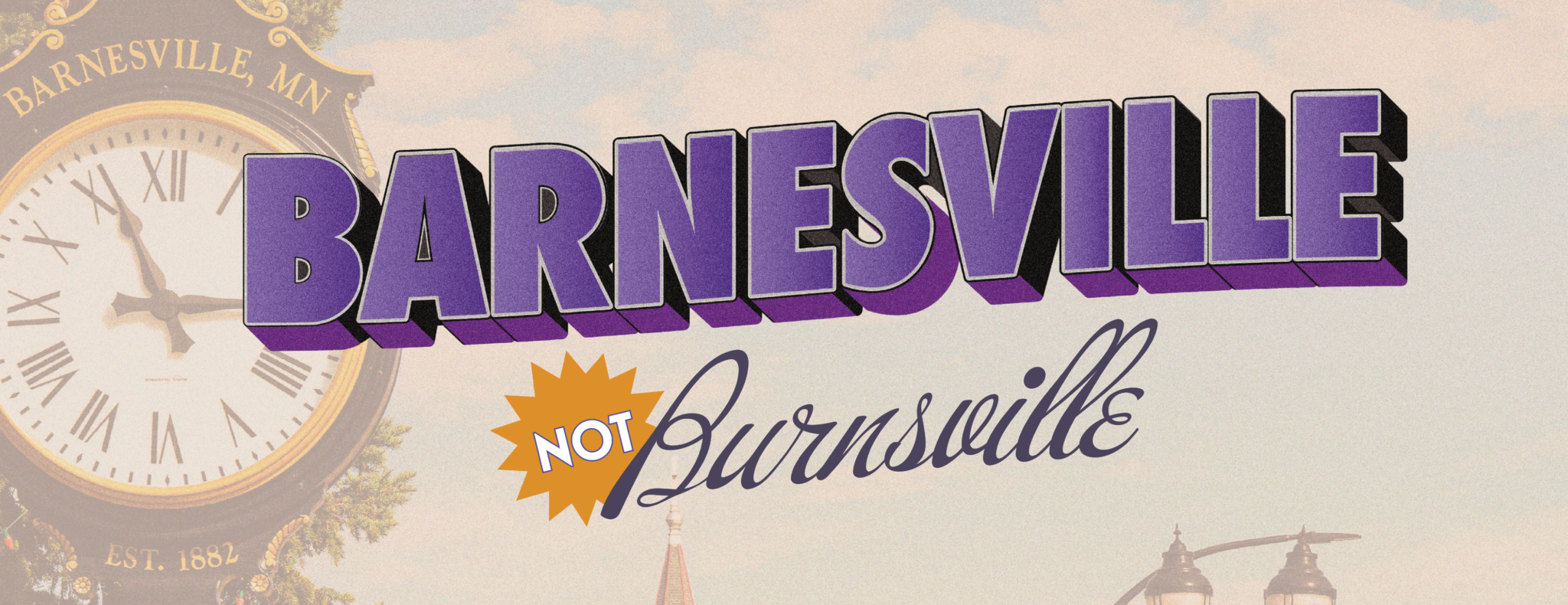
The Willow Creek campaign is a good example. The agency was routinely confused with Burnsville, a much larger suburb. Instead of hiding that irritation, "Barnesville, Not Burnsville" turned it into a memorable local story. It was specific enough for the community to own and simple enough for people to pass along. That is the kind of clarity advocacy needs.
Apply the same standard to a customer story or review. Do not sand away every detail until the message could belong to anyone. Preserve the problem, the choice, and the outcome. Let the customer use their own language. A little texture makes the story believable, and believable stories are the ones people feel comfortable repeating.

5. Respond in a way that makes advocacy worth repeating
Advocacy breaks down when a customer gives time, a referral, or useful feedback and hears nothing back. Someone needs to thank the person, follow through on the introduction, and share what changed because of the input. That response is not administrative cleanup. It tells customers their contribution had a purpose.
Make the handoff clear inside the business. The person closest to the customer might be a salesperson, project manager, service professional, founder, or account lead. Give that person a simple way to flag a useful story or referral, then make sure the next response is timely and human. The goal is not to build an elaborate machine around every customer. It is to avoid letting the best moments disappear.
Then bring the learning back into the work. If customers repeatedly recommend the business for one outcome, protect that strength. If they praise the people but struggle to explain the offer, clarify the message. If referrals are warm but rarely a fit, sharpen who the business is for. The customer advocacy strategy guide is the next step for teams ready to turn those observations into a durable practice.
Put customer language to work without putting words in their mouths
The phrases customers choose can strengthen the rest of a marketing program, but they should be treated as evidence, not copy to steal. Notice the language that recurs in conversations, reviews, and referrals. A phrase repeated by several people may reveal a benefit that belongs in a sales conversation, a campaign brief, or the next version of the offer. It is stronger because it came from experience, not from an internal brainstorming session.
Keep the source intact. A customer who says a project finally made a difficult decision feel clear is not saying the same thing as "best in class." Preserve the real tension and the real outcome when you share a story. That gives future customers something they can judge for themselves, and it protects the person who was generous enough to explain what the work meant to them.
This also makes it easier to spot a message that is drifting away from the experience. If the business claims one thing while customers repeatedly praise something else, the gap is worth exploring. The answer may be to sharpen the story, improve the experience, or stop leading with a claim that people do not recognize. Customer advocacy marketing works best when the message and the lived experience make the same promise.
Treat those patterns as a prompt for a better conversation, not as a verdict on the customer. A single comment can be memorable without being representative. Look for the ideas that recur across different people and different moments, then test whether the business can deliver that value consistently. The goal is a clearer truth, not a prettier sentence.
What to avoid
Do not mistake a loyalty program, a referral offer, or a burst of social activity for advocacy by itself. Each can support the work, but none proves that customers believe the story enough to carry it forward. A reward can encourage a response. It cannot substitute for an experience people genuinely value.
Do not demand positivity, either. The Federal Trade Commission'sconsumer reviews rule guidance makes clear that incentives cannot be conditioned on positive reviews. More importantly, a business learns more from an honest customer than from a polished endorsement. The useful question is not, "How do we get people to say nice things?" It is, "What are people already glad to tell someone else, and what does that teach us?"
How Chris helps make the work worth recommending
The best advocacy marketing is built before the referral request, review form, or campaign launch. It comes from a sharper point of view, an experience that follows through, and a story people can recognize as their own. That is where a brand becomes easier to remember and more useful to recommend.
Chris brings that work into brand consulting, hands-on brand strategy workshops, and the campaign stories in his portfolio. The point is not to manufacture advocates. It is to make the work clear, distinctive, and valuable enough that the right people want to talk about it.
Frequently asked questions
What is customer advocacy marketing?
Customer advocacy marketing is the work of creating an experience and a story that customers voluntarily choose to recommend. It can show up in a referral, review, customer story, peer conversation, or useful feedback. The marketing part is not forcing the message. It is making the value clear enough that people want to share it.
Is customer advocacy marketing the same as influencer marketing?
No. Influencer marketing is a paid relationship built around audience reach. Customer advocacy marketing begins with a real customer experience and voluntary belief. A business can use both, but paid endorsements need clear disclosure and should not be presented as independent customer recommendations.
How do you start customer advocacy marketing?
Start with one customer moment that already creates genuine value. Learn the language customers use to describe it, choose one appropriate action such as a review or referral, make a specific invitation at the right time, and show people that their contribution led to a useful response.
Can a small business use customer advocacy marketing?
Yes. A small business can often make advocacy more personal because the people delivering the work are close to the customer relationship. It does not need a large program. One clear promise, one thoughtful follow-up, and one respectful way to recognize useful feedback can be enough to begin.