
Brand consulting
Brand Identity Consultant
For businesses that need an identity people can recognize before they have to read the fine print.
Talk to ChrisRecognition should not be an accident
Give the business a look, voice and point of view that belong together.
Customers decide quickly whether something feels familiar, relevant or worth another moment of attention. When the identity does not carry the real strength of the business, that decision gets harder. The logo may be polished. The site may be current. The sales materials may be full of sensible claims. Yet none of it gives people a clear reason to remember who the business is or why it should be chosen over the next capable option.
Brand identity is the work of making that reason visible. It connects what the business stands for to the signals people meet: the words, visual choices, campaign ideas, packaging, website and customer moments that either add up to a recognizable character or disappear into category wallpaper.
Chris Birt helps teams build an identity around a sharper idea, not a collection of decorative decisions. He works from the truth that gives the business a real place in the market, then helps turn it into work customers can see, understand and carry forward. The goal is not to make everything louder. It is to make the right things unmistakably connected.
Find the signal
Identify the truth, tension or point of view that gives the identity a reason to exist.
Make it recognizable
Turn that direction into language and visual choices people can notice quickly and remember later.
Keep it intact
Give the team a practical way to carry the identity into the work without flattening it.
A logo cannot carry the whole job
Build an identity that helps people understand what the business means.
A brand identity is often reduced to a visual package. That is understandable. A mark, typeface, color and design system are visible and easy to point to. But those pieces only become useful when they express something worth recognizing. Without a clear point of view, an identity can look expensive while saying almost nothing. It may borrow the category’s familiar codes so closely that customers need to read every word just to tell one company from another.
Chris starts before that happens. He helps leadership and marketing teams find the essential idea that should guide the identity. It may be a customer truth, a more useful way to frame the offer, a real difference in how the business works or a cultural tension the category has ignored. That idea gives design and language a job to do. It tells the team what should feel distinctive, what should stay simple and what should never be traded away for the latest visual fashion.
The result is an identity that can travel. It should make a website easier to scan, a campaign easier to recognize and a sales conversation easier to remember. It should help an internal team make better calls when a new page, package, presentation or social post is needed. The work is not about adding more rules. It is about giving people a clearer standard for what belongs and what does not.
Identity begins with a better story
Make the difference visible before the customer moves on.
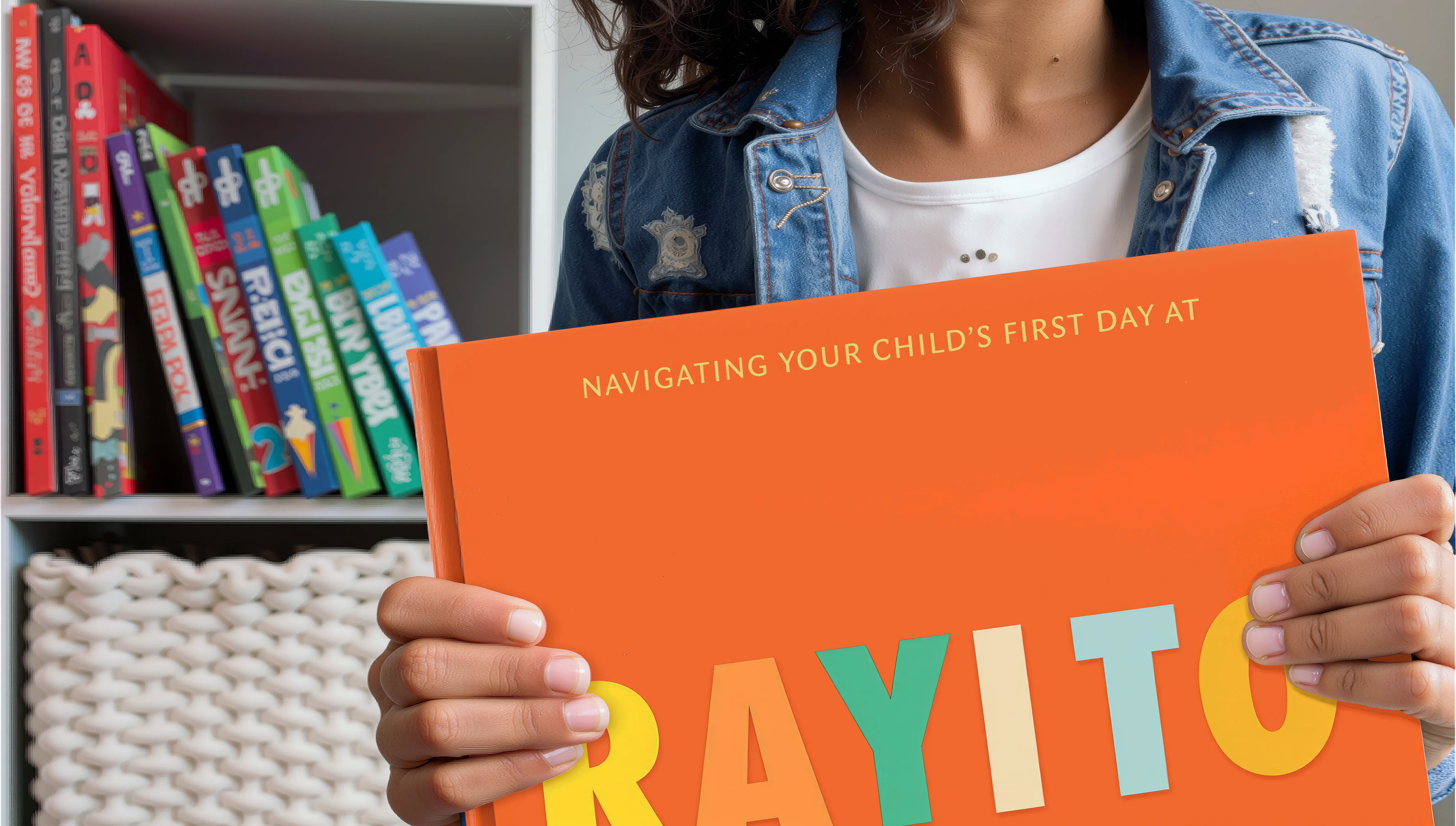
Rayito de Sol had seen enrollment fall during COVID. The easy answer would have been to repeat the usual language around early Spanish education. Chris helped the schools find a more useful truth: Spanish is not simply another subject, it is a life skill that gives children more options later. That direction changed the brand identity and the online tools built around it.
The identity worked because it made the choice more meaningful for parents. It gave the schools a stronger way to express their value without relying on the same category language. The schools reversed a two-year decline and increased enrollment at each school by 123 percent the following year. Design mattered, but the result began with the idea the design was asked to carry.
See the Rayito de Sol workThe work has to hold up in public
Give every customer-facing choice a stronger reason to belong.
Identity work becomes especially valuable when the business is changing. A new offer may need an entrance that feels like more than a product launch. A growing company may have accumulated several versions of its story. A strong organization may have an identity people recognize, but no longer one that reflects the quality, ambition or personality of the work. These are not problems a new logo solves by itself.
Chris helps teams decide what the identity must accomplish before the creative work begins. That can include clarifying the central brand idea, naming the customer response worth earning, setting the verbal direction, developing a campaign platform or giving designers and agencies a sharper brief. The exact output follows the assignment. It may lead to a refreshed identity, a campaign system, packaging, a new website direction or a set of principles that keeps the work coherent as the team moves.
That discipline protects against the familiar expensive mistake: changing the surface while leaving the business just as hard to understand. Good identity work helps the customer feel the difference sooner. It gives the company a more consistent presence across the moments that matter, without forcing every piece to look identical or every message to sound rehearsed.
Distinctive does not mean decorative
Turn a product into something people have a reason to notice.
For Barton Brands, Chris helped create Wide-Eye Schnapps from the label and packaging through outdoor work and television. The category did not need another bottle trying to look safely familiar. The identity gave the product a more memorable personality, borrowing from the energy of a cold, exaggerated nightlife rather than the expected craft cues around it.
That kind of identity work is not an excuse for a strange idea with no business purpose. It gives the offer a place in the customer’s mind and gives the people carrying the work a coherent way to build from it. The packaging, message and campaign all support the same recognition job: make the product hard to mistake for something else.
See the Barton Brands workBring in the right kind of support
Start with the decision that will make the identity useful.
Brand identity consulting is most valuable when the company needs more than an execution partner. Chris can work with the people making the business decision, the marketers responsible for the story and the designers or agencies creating the work. The point is to give everyone a stronger shared direction before time and budget disappear into rounds of work that look good but fail to make a meaningful point.
When the core question is what the business should stand for, brand strategy consulting helps establish the foundation. When the business needs to choose a clear position in a crowded category, brand positioning consulting focuses the choice. When the identity needs language people can use with confidence, brand messaging consulting brings the words into focus.
For a broader evolution in how the company shows up, brand development consulting connects the next stage of the business to a stronger public story. And when the challenge is a high-stakes campaign, launch or creative brief, creative consulting brings experienced outside judgment to the assignment. Chris can help identify the right starting point, then build an engagement around the work that needs to become more recognizable.
Frequently asked questions
What does a brand identity consultant do?
Chris helps businesses decide how their brand should look, sound and show up in the moments customers actually encounter it. The work starts with the central idea, then connects that direction to names, messages, visual choices, campaigns and the tools a team uses every day.
Is brand identity only a logo?
No. A logo is one signal, but identity is the fuller system that makes a business recognizable. It includes the point of view behind the brand, the language people hear, the visual choices they see and the way those elements hold together when the work moves from a website to a campaign or customer conversation.
Do we need a full rebrand?
Not always. Sometimes the right answer is to sharpen what already works, clarify the story behind an offer or give an existing identity a more useful way to show up. A full rebrand makes sense only when the current identity cannot honestly carry the business where it needs to go.
Can Chris work with our designer or agency?
Yes. Chris can work with internal teams, designers, agencies and production partners. His role is to give the creative work a clear, distinctive center so the people building it have a useful standard for making decisions.
Make the brand easier to recognize for the right reasons.
Tell Chris what has changed, what is not carrying the story and where the business needs a more distinctive public signal.
Start the conversation